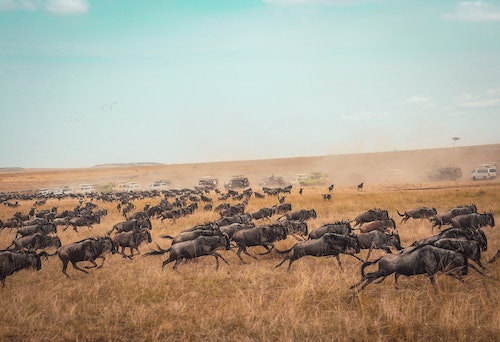
Bokora Wildlife Reserve: An Untouched Wilderness in Uganda
Uganda's Bokora Wildlife Reserve represents one of East Africa's most underappreciated natural treasures. This protected area, officially known as the Bokora Corridor Wildlife Reserve, offers visitors a rare glimpse into Uganda's pristine wilderness far from the well-trodden tourist paths. As one of three game reserves in the semi-arid Karamoja region of northeastern Uganda, this remarkable destination deserves greater recognition for its biodiversity, cultural significance, and the authentic safari experience it provides.
What is Bokora Wildlife Reserve and Where is it Located in Uganda?
The Bokora Wildlife Reserve is found in the northeastern part of Uganda within the wider semi-arid Karamoja wildlife conservation region. Established to protect the unique ecosystem and wildlife species of eastern Uganda, this game reserve serves as a crucial ecological corridor connecting other protected areas. The Bokora Corridor Wildlife Reserve is one of Uganda's lesser-known conservation areas, situated between Matheniko Wildlife Reserve and Pian Upe Wildlife Reserve, forming an essential component of the larger Karamoja region conservation network.
The reserve is located in a remote part of Uganda that experiences a predominantly dry climate, with the landscape characterized by vast savannahs, scattered acacia woodlands, and seasonal wetlands. This wildlife reserve is one of the most authentic wilderness experiences available in Uganda, offering visitors an opportunity to explore relatively untouched ecosystems teeming with diverse wildlife.
How Does Bokora Wildlife Reserve Compare to Other Wildlife Reserves in Uganda?
When comparing the Bokora Wildlife Reserve to other protected areas in Uganda, several distinctive features emerge. Unlike the more famous national parks such as Kidepo Valley National Park, Bokora offers a more secluded safari experience with significantly fewer visitors. This makes it ideal for travelers seeking authenticity and solitude during their Uganda safari adventures.
The Bokora game reserve is smaller than some of Uganda's largest wildlife reserve in Uganda such as Pian Upe, but it plays a vital role in the country's conservation strategy. What sets Bokora apart is its function as a wildlife corridor, allowing animal populations to move between different protected areas, which is essential for genetic diversity and species survival.
The Uganda Wildlife Authority manages this reserve alongside Matheniko and other protected areas in the region, working to balance conservation priorities with the needs of local communities. While it may lack the infrastructure found in more established tourism destinations, Bokora's untamed character is precisely what attracts wildlife enthusiasts seeking off-the-beaten-path experiences.
What Wildlife Species Can You Expect to See in Bokora Corridor Wildlife Reserve?
The Bokora Corridor Wildlife Reserve hosts an impressive array of wildlife adapted to its semi-arid conditions. Visitors can expect to encounter various antelope species, including the majestic eland and the rare lesser kudu. The reserve is also home to populations of giraffe, zebra, and several predator species such as spotted hyenas and cheetah, though these can be more elusive.
Bird enthusiasts will find Bokora particularly rewarding, with numerous bird species inhabiting the reserve. Notable avian residents include the Jackson's hornbill, ostrich, dusky turtle doves, and the fascinating thick-billed honey guide. The diverse habitats within the reserve—from grasslands to seasonal wetlands like the Loporokocho swamp—support this remarkable biodiversity.
Game viewing opportunities vary by season, with the dry season generally offering better wildlife sightings as animals concentrate around remaining water sources. Uganda kobs, roan antelopes, and various smaller mammals contribute to the reserve's ecological significance. While wildlife densities may not match those of Uganda's premier national parks, the opportunity to observe animals in such an undisturbed setting compensates for any perceived shortcomings.
When is the Best Time to Visit Bokora Wildlife Reserve?
The best time to visit Bokora Wildlife Reserve typically falls between June to September, during the primary dry season. This period offers the most favorable conditions for game drives and wildlife observation, as animals gather around limited water sources, making them easier to spot. The roads are also more accessible during these months, an important consideration given the reserve's remote location.
A secondary optimal visiting window occurs between December and February, another relatively dry period. Weather patterns in the Karamoja region can be unpredictable, however, so flexibility in travel planning is advisable. The dry season not only enhances wildlife viewing opportunities but also reduces the prevalence of insects and makes camping more comfortable for those planning overnight stays.
Bird watchers might find the periods between September and December particularly rewarding, as many migratory species arrive in the reserve. Each season offers different wildlife experiences, with varying vegetation conditions and animal behaviors throughout the year.
How Can You Access Bokora Wildlife Reserve from Major Ugandan Cities?
Accessing the Bokora Corridor Wildlife Reserve requires some planning due to its remote location in northeastern Uganda. Most visitors begin their journey from Kampala or Entebbe, traveling eastward through cities like Jinja and eventually reaching Moroto, the largest town near the wildlife reserve. The journey by road can take 8-10 hours from Kampala, with the final stretches traversing increasingly rugged terrain.
Alternative routes include approaching from Kidepo Valley National Park for those including multiple destinations in their Uganda safari itinerary. The Uganda Wildlife Authority offices in Moroto can provide updated information on road conditions and entry requirements. A 4x4 vehicle is essential for visiting this wildlife reserve, especially during or shortly after rainy periods when roads may become challenging.
Public transportation options to the reserve are extremely limited, making private vehicle arrangements the most practical choice. Some tour operators based in Kampala and Moroto offer specialized packages that include transportation to and within the Bokora Wildlife Reserve, simplifying logistics for international visitors.
What Accommodation Options Exist In and Around Bokora Wildlife Reserve?
Accommodation options in and around Bokora Wildlife Reserve are limited, reflecting the area's undeveloped tourism infrastructure. Unlike more established safari destinations in Uganda, Bokora does not feature permanent lodges within the reserve boundaries. Most visitors opt for basic camping facilities managed by the Uganda Wildlife Authority, which require advance arrangements and bringing your own equipment.
The nearest conventional accommodation can be found in Moroto town, where several modest hotels and guesthouses cater to travelers exploring the Karamoja region. For those seeking more comfort, planning day trips from Moroto or combining a visit to Bokora with stays at more developed facilities near Kidepo Valley National Park might be preferable.
Some specialized tour operators offer mobile tented camp experiences, providing a more comfortable alternative to self-camping while maintaining the authentic wilderness atmosphere. These temporary camps typically operate during peak season and require advance booking. The limited accommodation options reinforce Bokora's character as a destination for more adventurous travelers prioritizing experience over luxury.
What Activities Can Visitors Enjoy in Bokora Wildlife Reserve?
Visitors to Bokora Wildlife Reserve can participate in several enriching activities that showcase the area's natural and cultural significance. Game drives remain the primary activity, offering opportunities to explore the reserve's diverse habitats while searching for wildlife. Unlike more structured safari experiences elsewhere, game viewing in Bokora often involves patient observation and appreciation of the untamed landscape.
Guided nature walks represent another popular activity, allowing closer examination of the reserve's flora and smaller fauna. These walks, led by knowledgeable rangers from the Uganda Wildlife Authority, provide insights into the ecosystem's intricate relationships and survival adaptations in this semi-arid environment.
Birding enthusiasts find particular satisfaction in Bokora's avian diversity, with specialized birding excursions available upon request. Cultural interactions with the Karamojong people living near the reserve boundaries offer fascinating glimpses into traditional pastoralist lifestyles that have shaped the region for centuries. Photography, stargazing, and simply absorbing the pristine wilderness atmosphere round out the experience of visiting this remarkable protected area.
How Does Bokora Corridor Wildlife Reserve Connect to Matheniko and Other Protected Areas?
The Bokora Corridor Wildlife Reserve serves a crucial ecological function by linking Matheniko Wildlife Reserve and Pian Upe Wildlife Reserve. This network of protected areas forms an essential component of Uganda's conservation strategy in the Karamoja region. The corridor design allows wildlife to migrate seasonally between these reserves, maintaining genetic diversity and enabling animals to access different resources throughout the year.
Matheniko Game Reserve borders Bokora to the north, while Pian Upe extends to the south, creating a substantial conservation zone in eastern Uganda. Together with Kidepo Valley National Park further north, these protected areas maintain viable habitats for species requiring large territories, such as predators and migratory ungulates. The ecological connectivity between Matheniko and Bokora is particularly important for maintaining sustainable wildlife populations in this challenging environment.
The Uganda Wildlife Authority manages these connected reserves under coordinated conservation plans, recognizing that effective protection requires treating them as components of a larger ecosystem rather than isolated units. This integrated approach to conservation represents modern wildlife management principles aimed at preserving biodiversity across natural landscapes.
What Conservation Challenges Does Bokora Wildlife Reserve Face?
Despite its ecological importance, Bokora Wildlife Reserve confronts numerous conservation challenges. Human-wildlife conflict represents a significant issue, as communities living adjacent to the reserve occasionally experience crop damage or livestock predation. The semi-arid climate of the Karamoja region makes agriculture marginal, increasing pressure on natural resources during drought periods.
Poaching remains a concern, though typically for bushmeat rather than commercial wildlife trafficking. The Uganda Wildlife Authority works diligently to combat this threat through ranger patrols and community engagement programs. Climate change impacts, including increasingly unpredictable rainfall patterns, affect both wildlife and surrounding communities, potentially exacerbating resource competition.
Limited tourism development presents both a challenge and an opportunity. While greater visitor numbers could provide economic incentives for conservation, inappropriate development might threaten the reserve's pristine character. Balancing these considerations requires careful planning and stakeholder involvement. The wildlife conservation efforts in Bokora exemplify the complex interplay between ecological, economic, and social factors that characterize modern protected area management.
How Can Travelers Responsibly Visit and Support Bokora Wildlife Reserve?
Responsible travel to Bokora Wildlife Reserve begins with proper preparation and realistic expectations. Visitors should arrange their trips through reputable tour operators familiar with the area or contact the Uganda Wildlife Authority in advance for guidance. Supporting officially sanctioned activities ensures that tourism benefits flow to conservation efforts and local communities.
During a visit to Bokora, travelers should adhere strictly to regulations regarding waste disposal, wildlife viewing distances, and approved camping locations. The reserve lacks waste management infrastructure, so practicing "pack in, pack out" principles is essential. Respecting the cultural traditions of the Karamojong people through appropriate behavior and seeking permission before photography demonstrates ethical tourism.
Financial support for conservation can extend beyond entrance fees through donations to community-based initiatives or participation in specific projects benefiting the protected area. Sharing accurate information about the reserve after your visit helps raise awareness of this lesser-known destination while setting appropriate expectations for future visitors. By approaching Bokora with respect and a commitment to minimal impact, travelers can contribute positively to its preservation while enjoying an authentic wilderness experience.
Key Takeaways about Exploring Bokora Corridor Wildlife Reserve
- Bokora Wildlife Reserve forms a crucial ecological corridor in northeastern Uganda's Karamoja region, connecting Matheniko Wildlife Reserve with other protected areas.
- The reserve hosts diverse wildlife including antelope species like eland and lesser kudu, along with predators such as cheetah and spotted hyenas.
- The best time to visit is during the dry season from June to September, when wildlife viewing opportunities are optimized around limited water sources.
- Accommodation options are minimal, with most visitors choosing basic camping or staying in nearby Moroto town.
- Bird enthusiasts will appreciate the reserve's avian diversity, including species like Jackson's hornbill, ostrich, and the thick-billed honey guide.
- Game drives, guided nature walks, and cultural interactions with Karamojong people constitute the primary activities available to visitors.
- Conservation challenges include human-wildlife conflict, poaching for bushmeat, and climate change impacts on this semi-arid ecosystem.
- Responsible tourism practices are essential when visiting this undeveloped reserve to minimize environmental impact and maximize benefits to local communities.
- The reserve's remote location requires careful planning and appropriate vehicles for access from major Ugandan cities.
- While less visited than Uganda's famous national parks, Bokora offers an authentic wilderness experience for travelers seeking off-the-beaten-path safari adventures.