Karuma Wildlife Reserve: A Vibrant Sanctuary in Uganda
Karuma Wildlife Reserve, a key component of the larger Murchison Falls Conservation Area, is located in northwestern Uganda. This reserve, spanning approximately 820 square kilometers, is renowned for its breathtaking landscapes, rich biodiversity, and the iconic Karuma Falls. Established in 1964, Karuma Wildlife Reserve offers a perfect blend of wildlife viewing, scenic beauty, and cultural experiences, making it an appealing destination for tourists.
Wildlife and Biodiversity
Karuma Wildlife Reserve is characterized by diverse habitats, including savannah grasslands, riverine forests, and woodlands, which support a wide variety of wildlife species.
Mammals
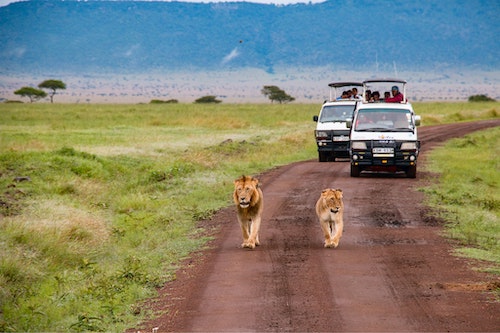
The reserve is home to an impressive array of mammals. Elephants, buffaloes, and hippos are among the largest residents of Karuma. Antelope species such as Uganda kob, waterbuck, and bushbuck are commonly seen grazing in the open grasslands. Predators like lions, leopards, and hyenas also inhabit the reserve, although they are more elusive. Primates, including olive baboons, vervet monkeys, and black-and-white colobus monkeys, add to the reserve's mammalian diversity.
Birds
Karuma Wildlife Reserve is a haven for birdwatchers, with over 400 bird species recorded. Notable species include the African fish eagle, Goliath heron, shoebill stork, and various species of kingfishers, bee-eaters, and weaver birds. The riverine forests and wetlands provide excellent birdwatching opportunities, with many waterfowl and other bird species visible throughout the year.
Reptiles and Amphibians
The reserve's wetlands and riverbanks are home to various reptiles and amphibians. Nile crocodiles and several species of turtles can be seen basking along the riverbanks, while numerous frog and toad species thrive in the marshy areas. These reptiles and amphibians play a crucial role in maintaining the ecological balance of the reserve.
Tourist Activities
Karuma Wildlife Reserve offers a range of activities that cater to different interests, providing visitors with a comprehensive and immersive wildlife experience.
Game Drives
Game drives are a popular way to explore the reserve and observe its diverse wildlife. Early morning and late afternoon drives are particularly rewarding, as animals are most active during these times. Guided game drives provide insights into the behavior and ecology of the animals, enhancing the overall experience.
Nature Walks
Guided nature walks are an excellent way to explore the reserve's varied landscapes on foot. These walks offer a more intimate experience with nature, allowing visitors to appreciate the smaller details often missed during game drives. Knowledgeable guides lead these walks, providing valuable information about the flora and fauna, as well as the history and conservation efforts of the reserve.
Birdwatching
Birdwatching is a major attraction in Karuma Wildlife Reserve. The diverse habitats attract a wide range of bird species, making it a birdwatcher's paradise. Guided birdwatching tours are available, offering the best chances to spot rare and endemic species.
Boat Safaris
Boat safaris on the Nile River provide a unique perspective of the reserve's wetlands. These safaris offer the opportunity to see aquatic wildlife, such as hippos and crocodiles, up close, as well as to enjoy the tranquil beauty of the riverine environment. Boat safaris also offer excellent birdwatching opportunities.
Visit to Karuma Falls
One of the highlights of visiting Karuma Wildlife Reserve is the iconic Karuma Falls. These spectacular waterfalls on the Nile River are a must-see attraction. The falls offer stunning views and are an excellent spot for photography and relaxation. Guided tours to Karuma Falls provide insights into the geological and cultural significance of this natural wonder.
Accommodation
Karuma Wildlife Reserve offers a variety of accommodation options to suit different preferences and budgets.
Campsites
For those who enjoy camping, there are several designated campsites within the reserve. These campsites offer basic facilities, including pit latrines and water points. Camping in the wild allows visitors to fully immerse themselves in the natural environment and experience the sounds and sights of the reserve up close.
Safari Lodges
Several safari lodges are located within and around the reserve, offering more comfortable accommodation with amenities such as en-suite bathrooms, dining facilities, and guided tours. These lodges provide a balance between comfort and immersion in nature. Some notable lodges include:
- Karuma Falls Safari Lodge: This lodge offers luxurious accommodations with stunning views of Karuma Falls. The lodge provides guided nature walks, game drives, and boat safaris, ensuring a comprehensive wildlife experience.
- Nile Safari Lodge: Situated along the Nile River, this lodge offers eco-friendly accommodations with a focus on sustainability. Guests can enjoy boat safaris, fishing, and guided tours of the reserve.
Community Campsites
Community-run campsites are another option, providing an authentic cultural experience. These campsites are managed by local communities, offering visitors a chance to interact with the people who live around the reserve. Staying at a community campsite supports local livelihoods and promotes sustainable tourism.
Conservation and Community Involvement
Conservation efforts in Karuma Wildlife Reserve are crucial for maintaining its biodiversity. The Uganda Wildlife Authority (UWA) manages the reserve, implementing measures to protect wildlife and their habitats. Anti-poaching patrols, habitat restoration projects, and community engagement are some of the key strategies employed.
Community involvement is a cornerstone of conservation in Karuma. The reserve works closely with surrounding communities to promote sustainable land use practices and provide alternative livelihoods. This collaboration helps reduce human-wildlife conflict and ensures that local people benefit from conservation efforts.
Practical Information for Tourists
- Best Time to Visit: The best time to visit Karuma Wildlife Reserve is during the dry seasons, from December to February and June to September. During these periods, wildlife is more easily spotted as animals congregate around water sources.
- Getting There: Karuma Wildlife Reserve is accessible by road from Kampala, the capital of Uganda. The drive takes approximately 5-6 hours, depending on road conditions. Private vehicles, hired 4x4s, and guided tours are common ways to reach the reserve.
- Health and Safety: Visitors are advised to take necessary health precautions, including vaccinations and malaria prophylaxis. Carrying a first aid kit, insect repellent, and sufficient water is recommended. It is important to follow the guidance of park rangers and guides to ensure safety.
Conclusion
Karuma Wildlife Reserve is a vibrant and pristine destination in Uganda, offering a unique and rewarding experience for wildlife enthusiasts, birdwatchers, and nature lovers. Its diverse landscapes, rich biodiversity, and commitment to conservation make it a must-visit destination. Whether you prefer the adventure of camping, the comfort of a safari lodge, or the cultural immersion of a community campsite, Karuma has something to offer every traveler. Plan your visit to this enchanting reserve and discover the natural beauty and wildlife wonders of Karuma.